7 Workout Essentials for Beginner Home Gyms: If I Were to Start Over, These Are the Products I Would Choose
The Importance of a Home Gym Setup
A home gym presents numerous advantages that can significantly enhance one's fitness journey. One of the primary benefits is the flexibility it offers regarding time and location. With a dedicated workout space at home, individuals can exercise whenever they desire, free from the constraints of gym hours. This flexibility is particularly valuable for those with busy schedules or varying commitments, as it eliminates the need to rush to a gym or adhere to a strict timetable.
Moreover, the convenience of not commuting to a gym cannot be overstated. Traveling back and forth to a fitness facility can be time-consuming, and this time could be better spent focusing on workouts. With a home gym, all the equipment is readily accessible, allowing for spontaneous workouts that can be squeezed into a busy day or a quick session between tasks. This convenience often leads to a higher frequency of workouts and, consequently, better results.
Financial savings represent another compelling reason to consider setting up a home gym. While there may be initial costs involved in purchasing equipment, these expenses are often outweighed by the long-term savings when compared to recurring membership fees of commercial gyms. Over time, this setup can become a cost-effective solution, particularly for those who prioritize their health and fitness. Additionally, having personalized workout space can foster a more comfortable environment, promoting a sense of ownership that enhances motivation.
When individuals feel comfortable in their training space, they are more likely to commit to regular sessions, creating a lasting fitness habit. Overall, a well-planned home gym setup not only provides logistical benefits but also cultivates an encouraging atmosphere conducive to achieving fitness goals.
Essential Equipment for Beginners
Starting a home gym can be an exciting endeavor, especially for beginners. It is essential to equip your workout space with the right tools to facilitate a rounded fitness routine. Here are several must-have items that can significantly enhance your exercise experience.
Adjustable Dumbbells: These are invaluable for a comprehensive strength training regime. Adjustable dumbbells allow you to modify weight easily according to your fitness level, making them suitable for both light and heavy workouts. When using them, ensure you maintain proper form to prevent injuries, and gradually increase weights as you progress.
Resistance Bands: Resistance bands provide versatility in exercises for strength building, flexibility, and injury rehabilitation. They are inexpensive, portable, and available in varying resistance levels to suit all fitness stages. Incorporating resistance bands into your routine can enhance traditional exercises, such as squats and push-ups, by adding extra challenge without risking injury.
Stability Ball: A stability ball is excellent for improving core strength, balance, and flexibility. It can be used for multiple exercises, including planks, crunches, and wall squats. To use a stability ball effectively, ensure it's the right size for your height and engage your core adequately during exercises.
Yoga Mat: A yoga mat is an essential item for anyone beginning a workout journey. It provides a cushion for floor exercises, yoga, and stretching, promoting comfort and stability. Choose a mat that offers enough grip and thickness to support your activities. Regular practice on a mat can significantly improve your body posture and overall physical health.
Investing in these fundamental pieces will set you on the right path, allowing for a variety of workouts that promote strength, flexibility, and stability in your fitness journey.
Creating a Functional Space for Working Out
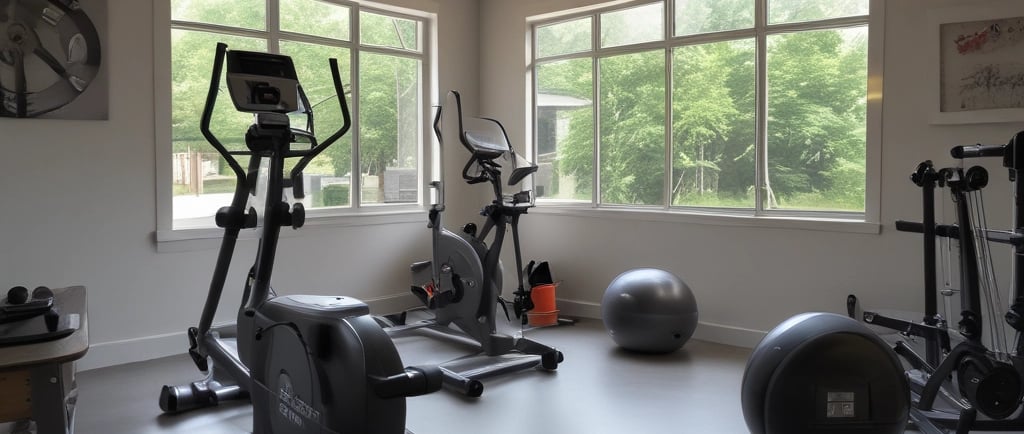
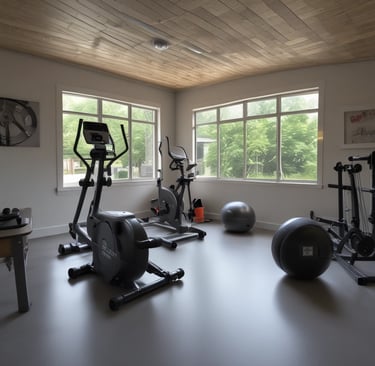
Establishing a functional space for your home gym is essential for optimizing your workout experience. The first step is to identify a suitable area in your home that is spacious enough to accommodate your workout equipment while allowing for a full range of movements. Ideally, this space should be free from distractions and allow for privacy, making it easier for you to stay focused during your fitness sessions.
When selecting your workout area, consider aspects such as flooring. Hard surfaces, like tile or hardwood, may not provide the necessary cushioning for exercises, leading to discomfort or injury. It is advisable to use rubber mats or foam flooring, as these materials offer superior support and can absorb impact. They also help in protecting the underlying flooring from potential damage due to weight drops or equipment placements.
Ventilation and lighting play crucial roles in creating an ideal workout environment. Good airflow is important to keep you cool and comfortable during exercise, which can significantly enhance your performance. If possible, choose a space with windows to allow for natural light, as this can also uplift your mood and motivation. In the absence of windows, consider investing in a good quality fan or air conditioning unit to ensure adequate ventilation.
To maintain motivation and efficiency, keeping the workout space organized is paramount. Clutter can be distracting and demotivating; therefore, implement storage solutions for your equipment. Shelves, bins, or hooks can help streamline your organization, ensuring that your gear is easily accessible while promoting a tidy appearance. Regularly decluttering and reorganizing the space can also contribute to the overall effectiveness of your workout routine, allowing you to focus solely on reaching your fitness goals.
Setting Realistic Goals and Creating a Routine
As you embark on your fitness journey, setting realistic goals is crucial for establishing a successful workout routine. Beginners often feel overwhelmed by the amount of information available regarding fitness. Therefore, it is essential to define clear, achievable objectives that align with your personal aspirations. Start by identifying what you hope to achieve—be it weight loss, muscle gain, improved endurance, or overall health. Establishing SMART goals—specific, measurable, achievable, relevant, and time-bound—can facilitate this process and provide clarity.
Once your goals are set, closely examine your current schedule and commitments to create a workout routine that fits seamlessly into your busy lifestyle. Factor in your daily obligations, such as work and family responsibilities, and allocate specific time slots for exercising. Consistency is key; therefore, choosing a set timeframe in which you can reliably commit to your workouts is essential. Furthermore, incorporating flexibility into your routine allows for adjustments when life becomes unpredictable.
Highlighting the recommended equipment can enhance your workout experience while keeping you engaged. Variability is important—consider alternating between different types of workouts such as strength training, cardio, and flexibility exercises. Not only will this help prevent boredom, but it will also engage various muscle groups effectively, contributing to your overall progress.
Keeping track of your achievements can serve as a powerful motivational tool. Use a fitness journal or mobile application to log your workouts, monitor your progress, and celebrate milestones along the way. Regularly revisiting your goals can also help you stay focused and committed. As you adapt your routine based on what works best, remember that patience is vital; fitness journeys are ongoing, and perseverance is the cornerstone of success.